From the Stage to the Streets of Reno: What Students Taught Me About Recovery
Follow along as comedian and advocate Tom Farley joins Mobilize Recovery Campus Surge.

This month, as part of the Campus Surge tour, I had the opportunity to visit the University of Nevada–Reno and speak with students about the promise of recovery. Every stop on this journey brings its own energy and surprises—but Reno, in particular, left me thinking deeply about what recovery really looks like when it’s lived out loud, with hope, humility, and connection.
I had plenty of time to think about my next Campus Surge event as I sat on my four-hour flight to Reno. The opportunity to speak about the promise of recovery to college students has been surprisingly uplifting.
The energy on campus takes many forms. At its best, that energy feels both powerful and boundless. I was excited to walk into such an environment once more—and, being true to my inherent Farley nature, stoke that fire with everything I had.
Here I come, University of Nevada–Reno.
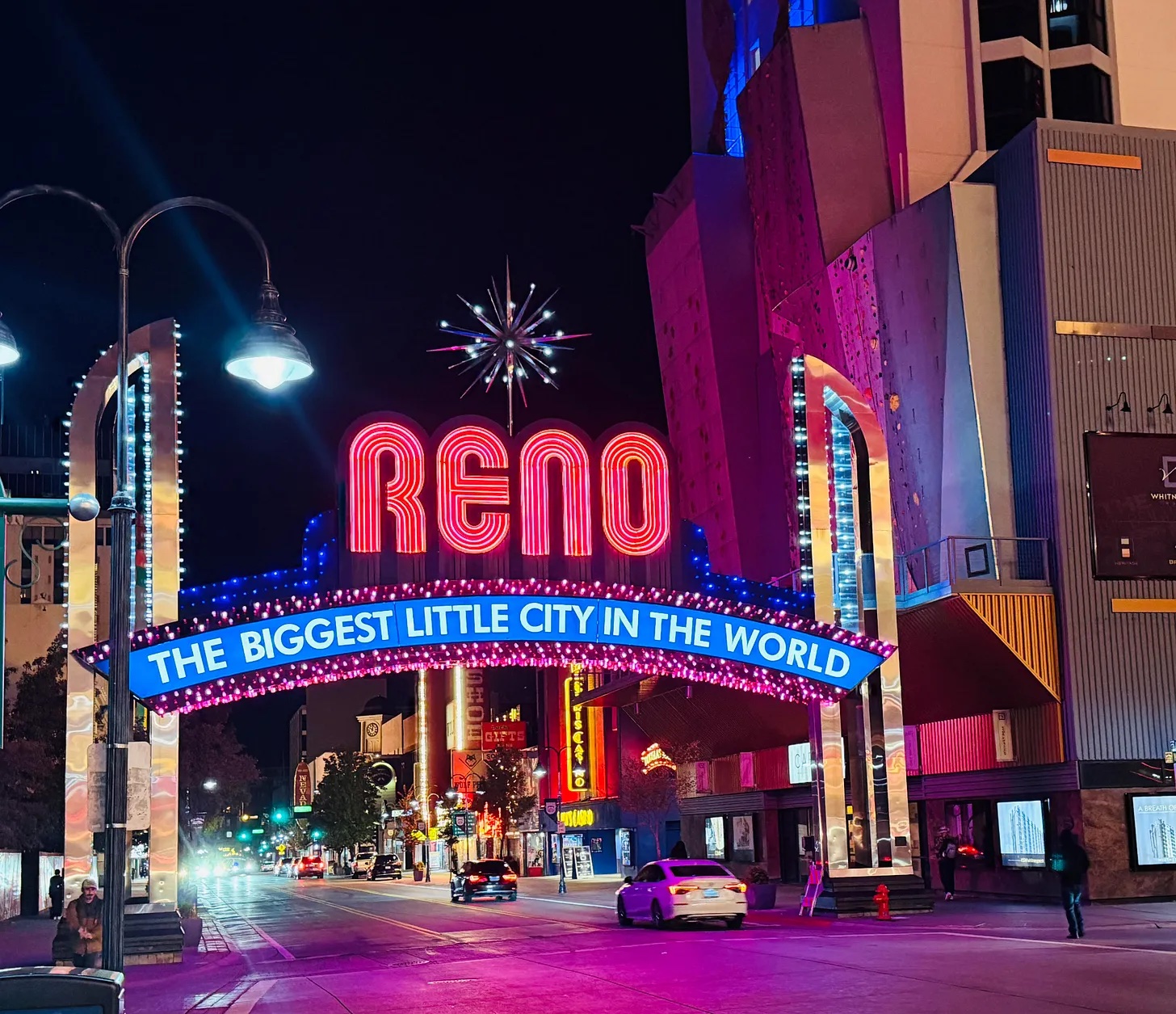
It was with those thoughts that I exited the plane into an airport full of slot machines. Ah, Reno. Well, if recovery has taught me anything, it’s not to judge a book by its cover. I’ve done so much to find my true, authentic self and finally show that person to the world. So, I made a conscious point to give that same grace to this city. OK, Reno—show thyself.
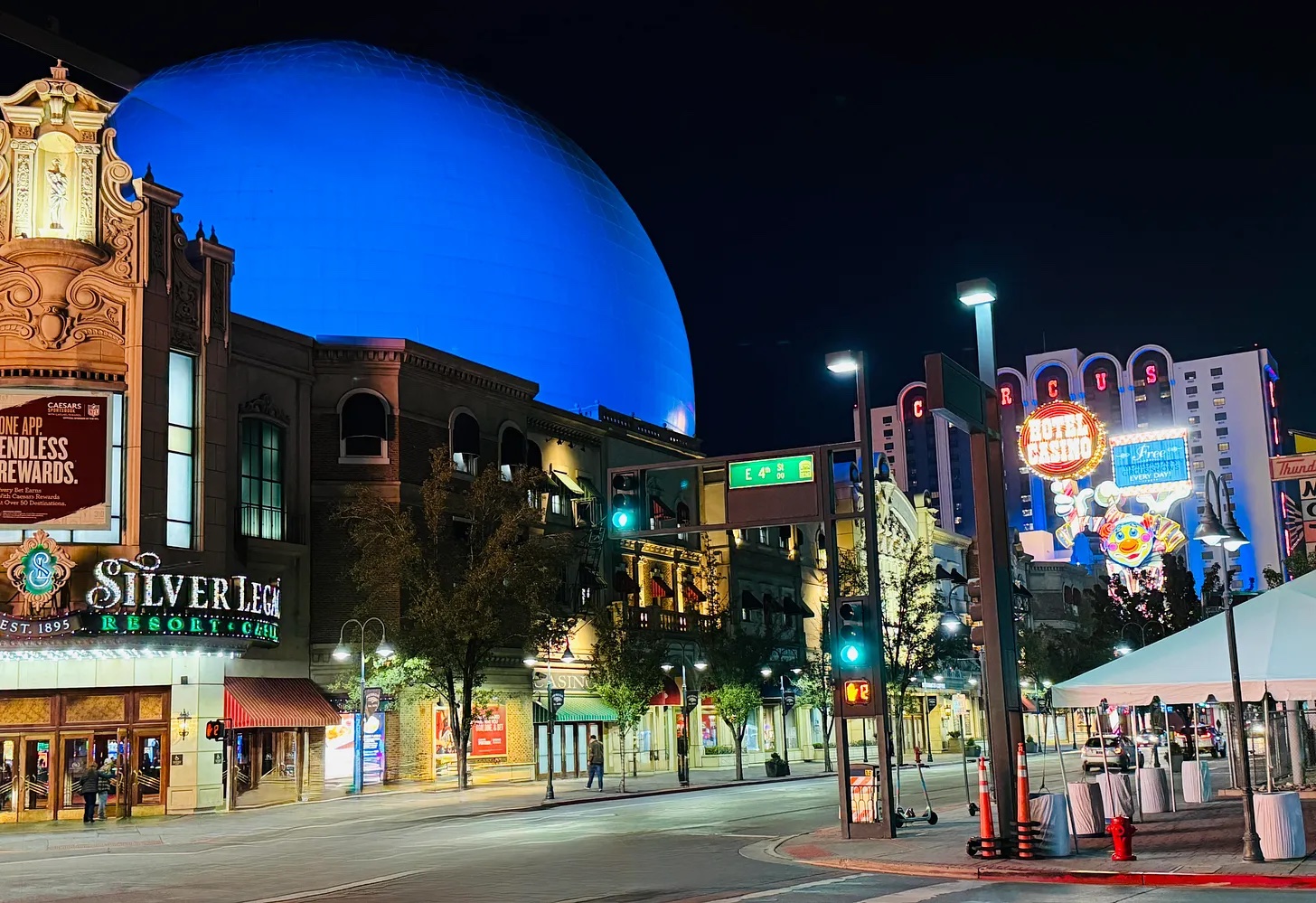
The downtown hotel choices were mostly connected to casinos, but that wasn’t the vibe I was looking for. I was pleased to find a little boutique hotel tucked between the bright neon canyons of Reno’s nightlife. The fact that the lively neighborhood was both loud and right across from the bus station—the city’s heaviest concentration of unhoused people—was oddly comforting.
Certain things stay with you after years of apartment living in New York City. Throw in a few sirens, maybe a train, and I sleep like a baby.
At least, that’s what I kept telling myself. It’s hard to see the devastation of addiction and mental illness up close. But it forces you to build empathy and seek understanding. That first night I left my hotel in search of something good to eat. The biker bar across the street caught my eye—after all, I’m from Wisconsin, home of Harley-Davidson. But the desk clerk must’ve seen that look and immediately dissuaded me. If I wanted a nice meal, she said, I needed to go to a casino. She pointed the way and suggested I walk fast past the bus terminal.
I made it, found a good restaurant, a table for one, and felt that familiar sadness start to build. As it often does, cheesecake saved the evening. But so far, the book just kept showing its cover.
The next morning, I had a virtual interview on the local ABC station. Just before my segment, I caught a news story about a proposal for a new soccer stadium in Reno—a beautiful development that could transform the city. I thought of Ted Lasso, and my mood shifted instantly.
During the interview, we talked about recovery, Campus Surge, and the message I’d bring to that day’s event.
Had that interview happened after the event, I would have talked about the incredible student recovery effort at the University of Nevada–Reno—the wealth of resources, the culture of care, the hope. I didn’t know that then. But I soon would.
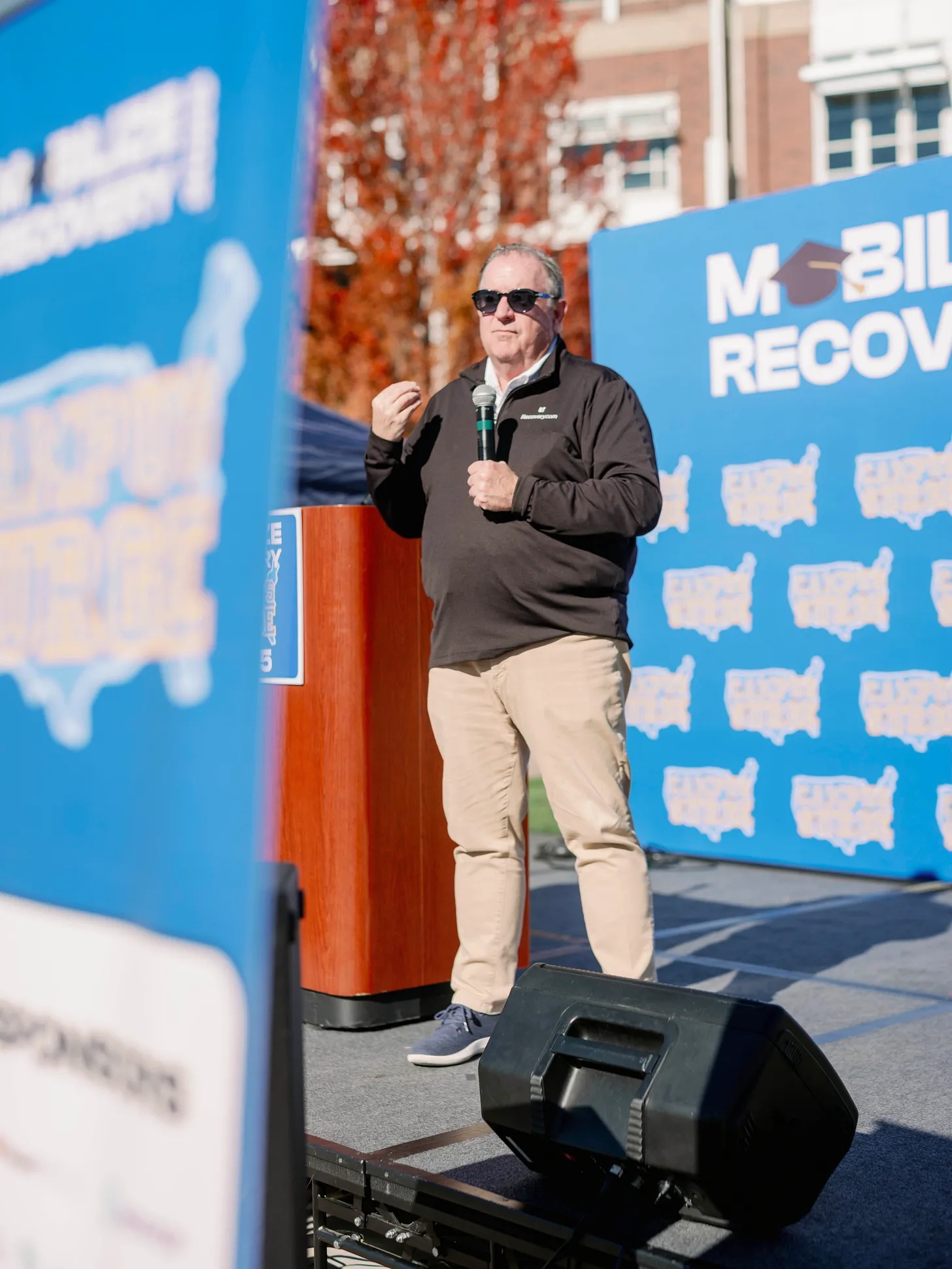
The campus was just a short ride from my hotel. In that five-minute Uber, I began to see a very different Reno. It was as if a curtain had been pulled back. The buildings were new, the air was fresh, and sunlight seemed to touch everything. People walked with purpose, made eye contact, smiled. When I arrived, the student center lawn was coming alive with tents, tables, and, most notably—dogs.
You really can’t appreciate the effect dogs have at a college event. I thought of my own college days, and of my dog back home, who I wouldn’t see for months at a time. Why didn’t someone bring dogs to my school? For students who spend most of their lives online, a wagging tail can be a lifeline back to reality—an unconditional reminder of love and connection. Even before I spoke about recovery, I was seeing it lived out right there.
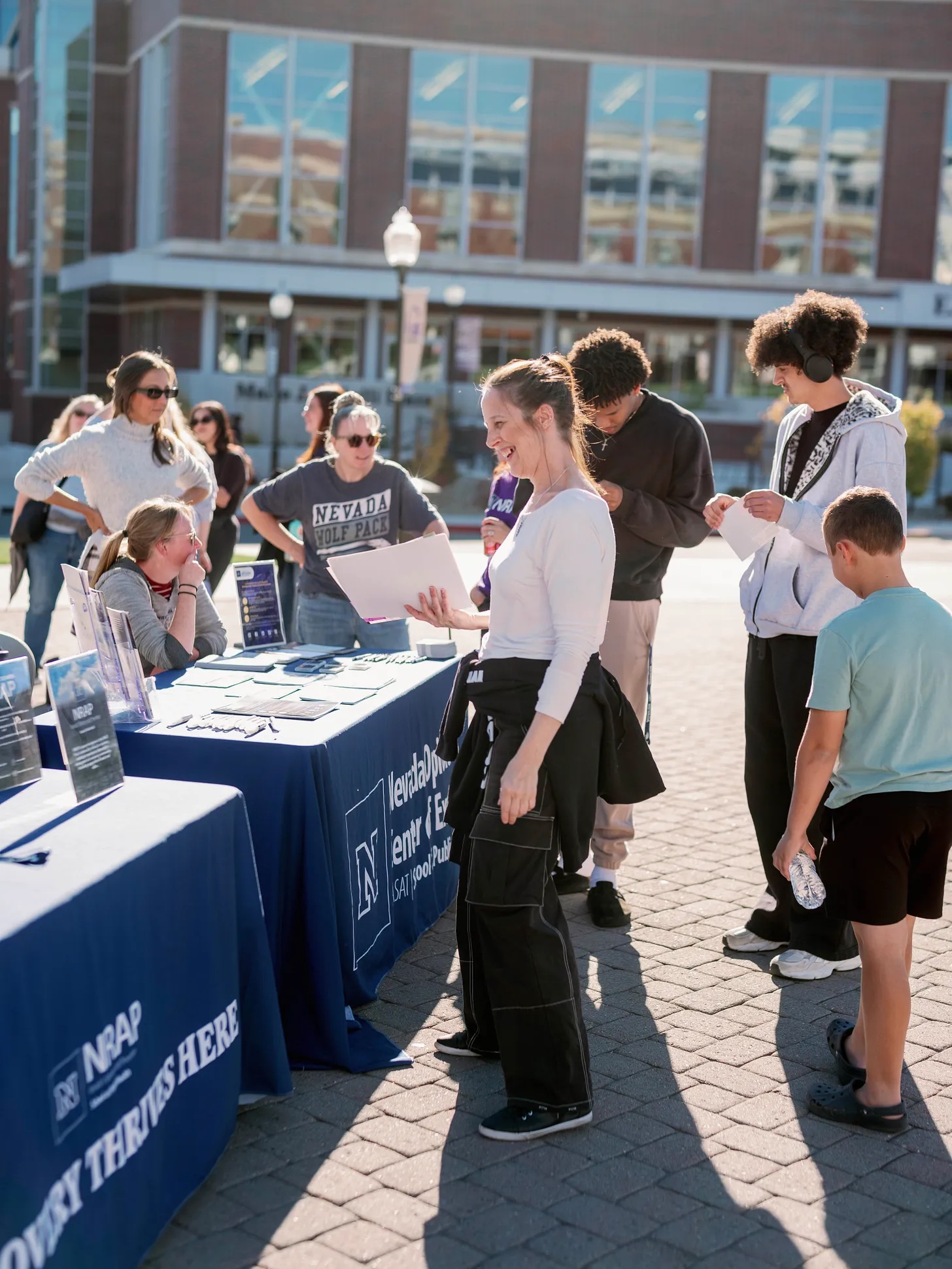
This event had a distinct focus on student recovery, and I was here for that. I met Daniel Fred, Director of the Nevada Recovery and Prevention Program (NRAP). I’ve said it before: collegiate recovery programs are game changers. They’re even more powerful when led by people like Daniel—charismatic, compassionate, and committed.
As I walked the pavilion, I met NRAP students who radiated gratitude and joy. It was as if they had been given the secret to success in college—and in life.
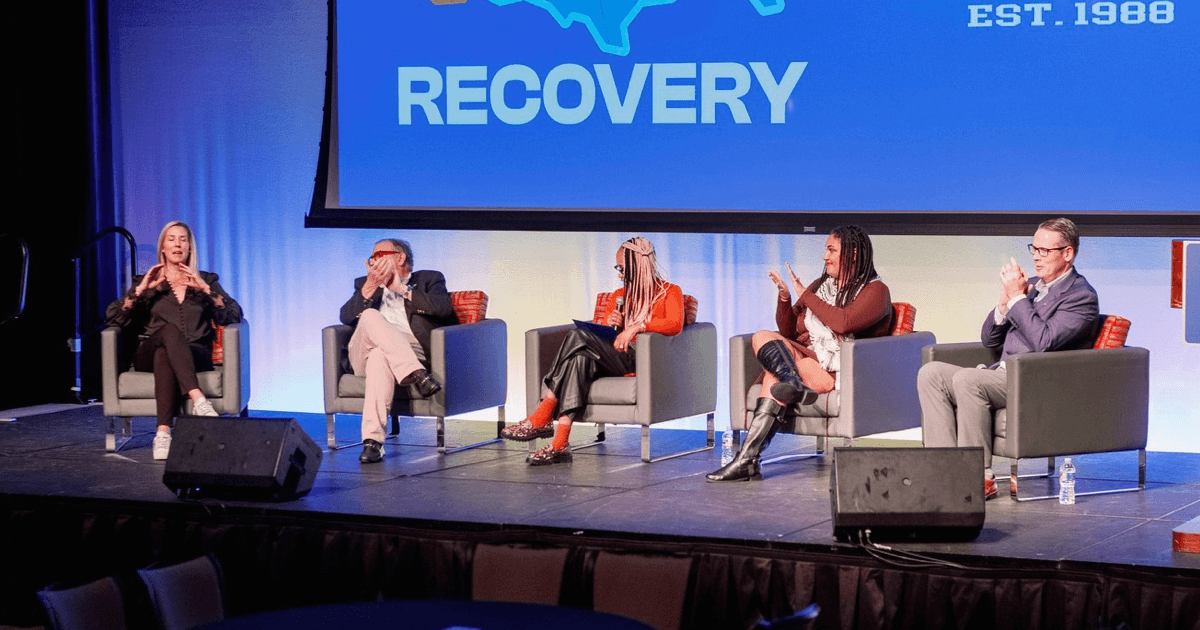
On stage, students like Tara, Ryan, and Trevor shared how recovery shaped their academic and personal journeys. Then musician Noah Thompson took the stage. I’ve heard his songs before at other Campus Surge stops, but that day, I really heard them. He finished his set and disappeared into a sea of students—half my audience! (Don’t worry, they came back.)
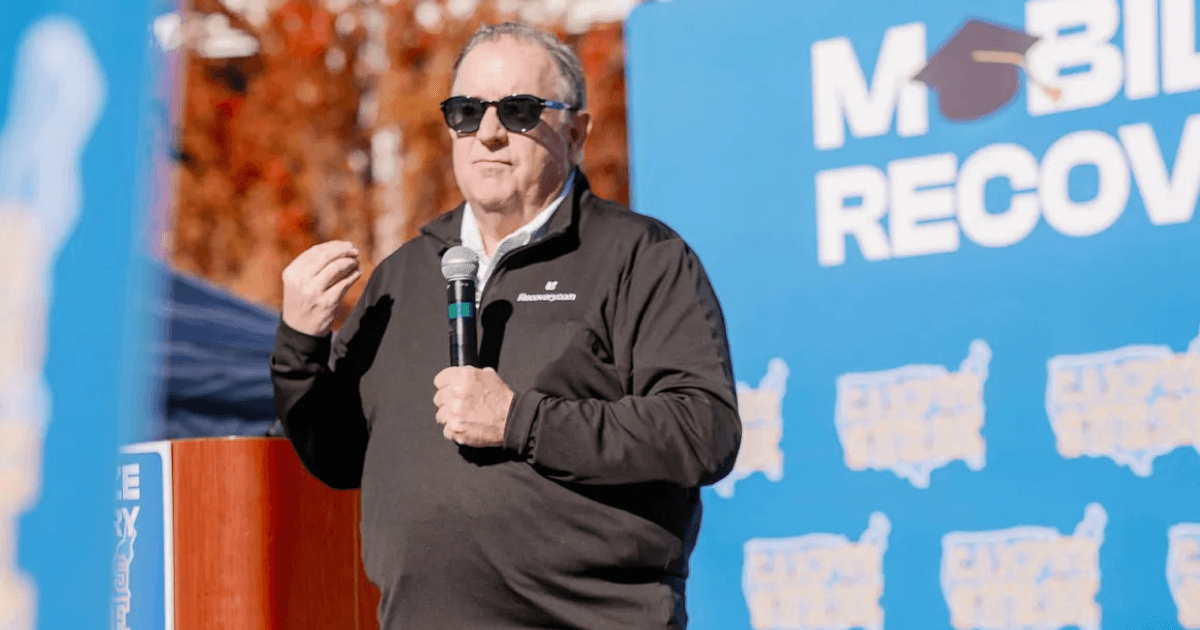
When it was my turn to speak, I talked about the student recovery movement and what I’d seen that morning downtown. I told them how I’d started the day feeling heavy with questions about how to help those in deep need—but how being on that campus gave me the answers. I reminded them of their incredible resilience during COVID, and how their advocacy and openness are changing the narrative around recovery.
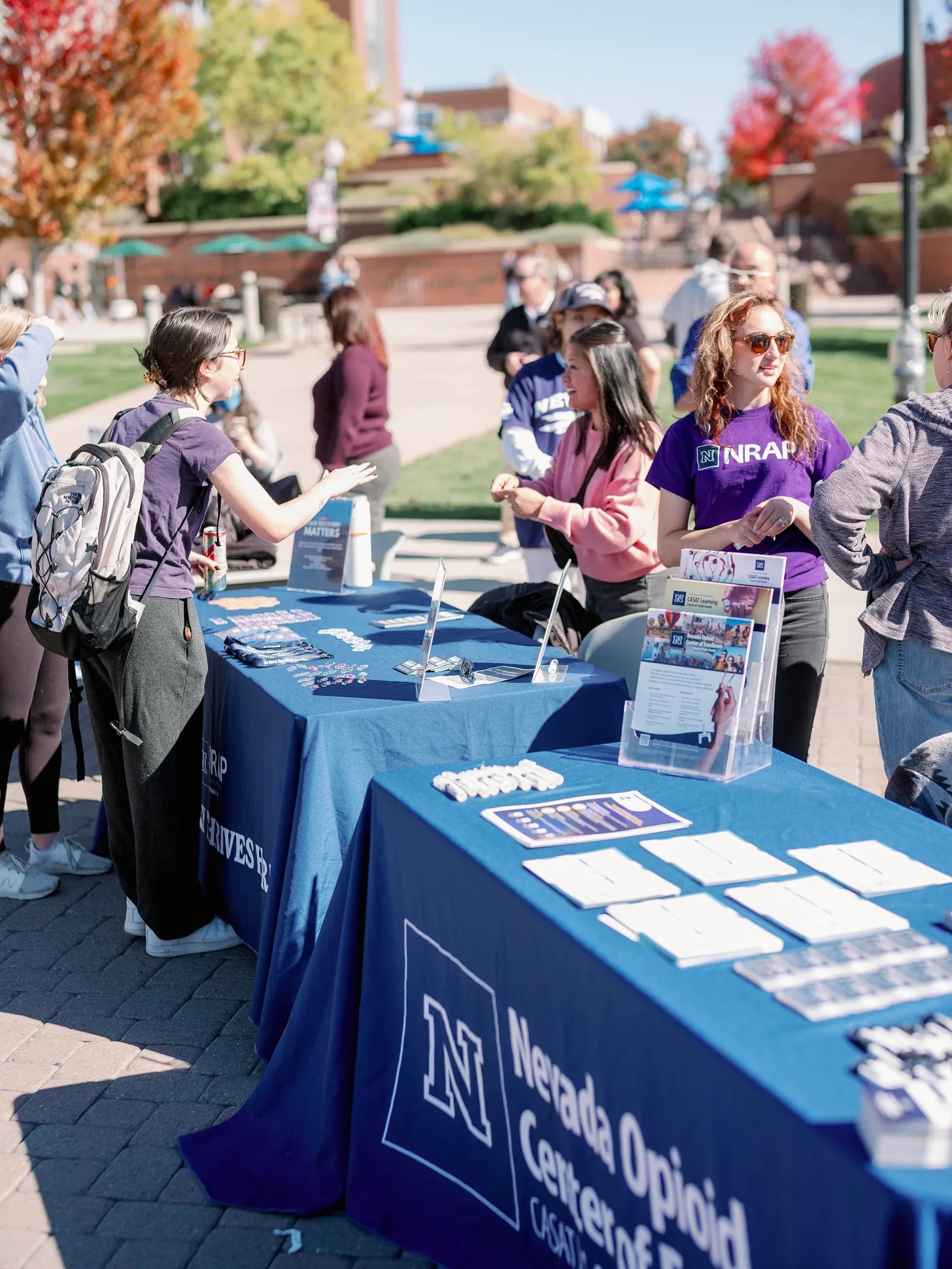
Looking out over that crowd, I realized: this is what hope looks like. The answer to stigma and fear—the barriers that hold recovery back—is right here. It’s students. More than that—it’s students in recovery.
I’ve left other Campus Surge events filled with many emotions. But I left the University of Nevada–Reno with something deeper: hope. I had arrived by Uber. I returned downtown on the No. 7 bus, surrounded by the city I now saw differently—one filled with promise.
Every stop on this tour reminds me that recovery is alive and growing—in classrooms, student centers, and late-night study sessions where courage quietly builds community. The next generation isn’t waiting for permission to lead; they’re already doing it. And if the students at the University of Nevada–Reno are any indication, the future of recovery is in very good hands.
On to the next stop,
Tom
This article was originally published on Substack. Read more from Tom at https://substack.com/@thetomfarley