Recovery Always Gives Me Home Court Advantage
Reflections from the Ohio Mobilize Bus Stop
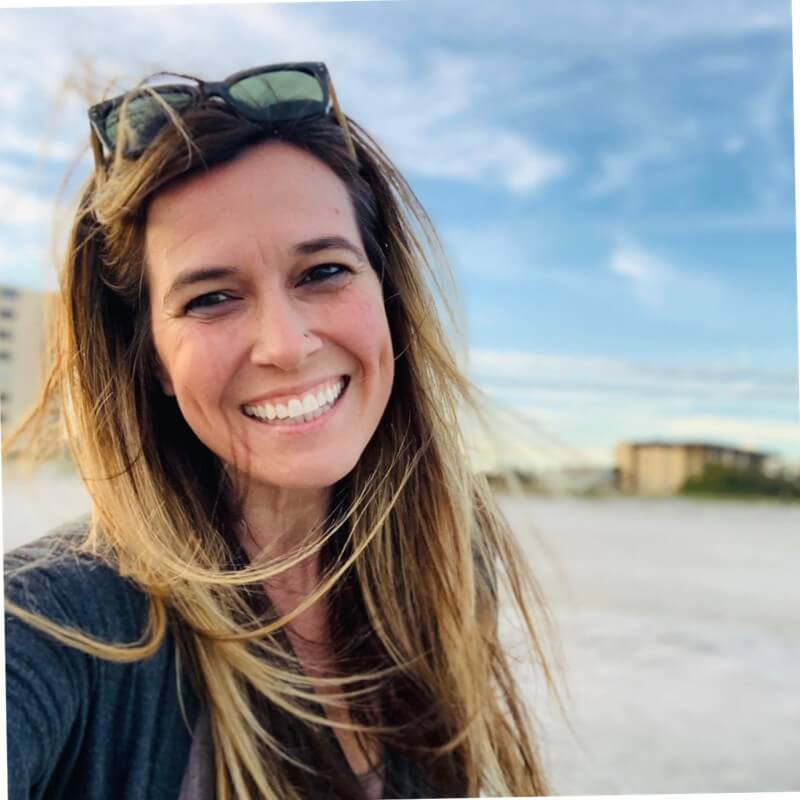
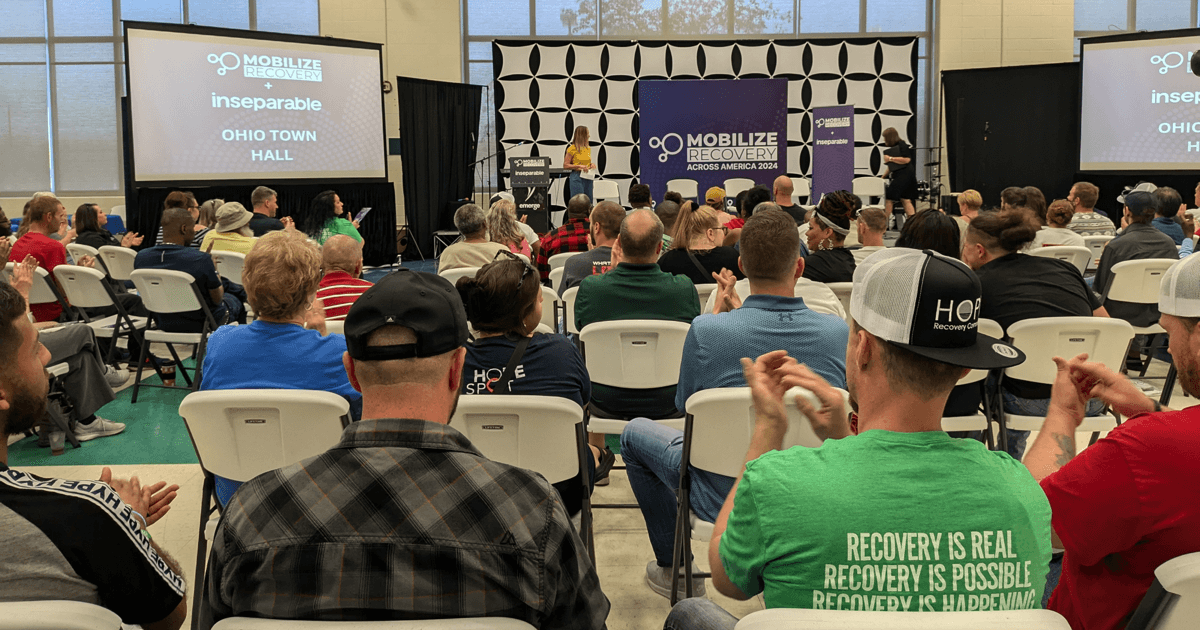
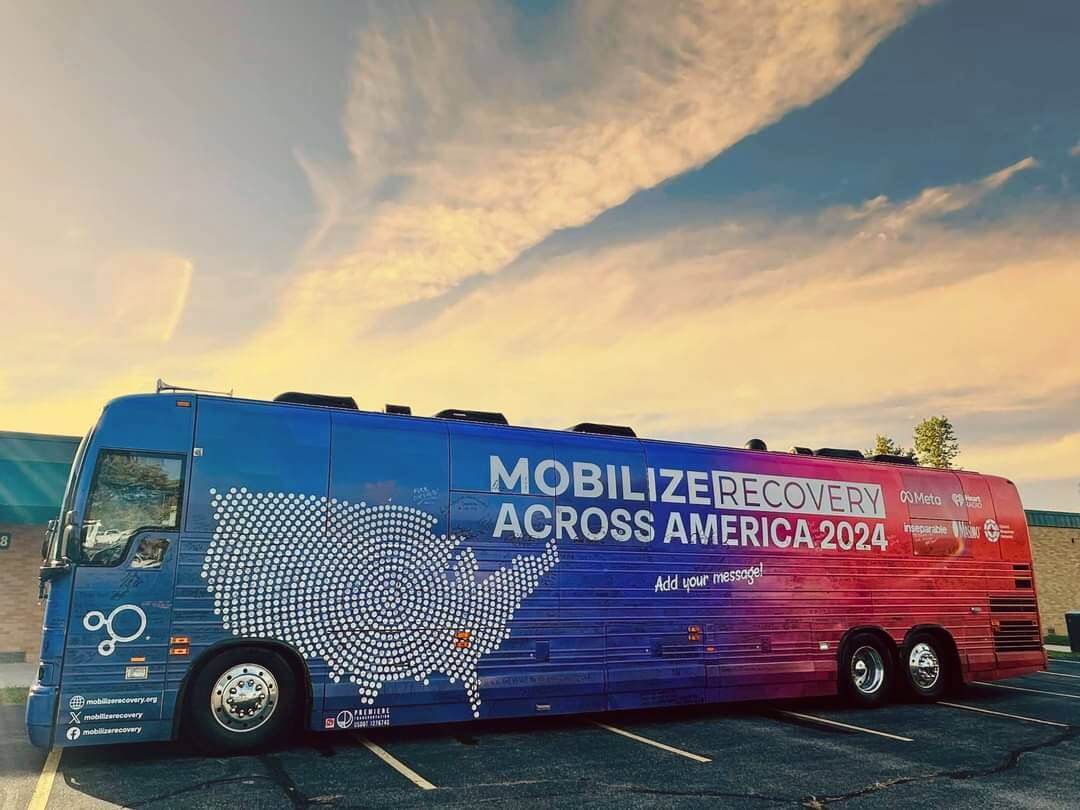
When the Mobilize Recovery Bus pulled into Dayton, Ohio, in 2024, and we gathered in a local gymnasium, something powerful happened: the voice of lived experience took center stage. As someone who has walked the road of recovery and now serves as the Executive Director of Hope Recovery Community, I can tell you—there is nothing like the energy of people rising together to reclaim hope, rewrite narratives, and fuel change.
The Ohio stop wasn’t just another event. It was a homecoming. A reminder that no matter where we gather, recovery gives me home court advantage. That phrase means something real. It’s not about comfort—it’s about confidence. About walking into a room full of strangers and realizing they are anything but. We may not know each other's names, but we speak the same language. We understand the weight of struggle and the power of resilience. That shared experience—that connection—is where our strength lies.
At national events, it’s easy to feel overshadowed by big names and polished titles. Sometimes, those rooms can feel far from the lived reality of those of us doing the work—living, loving, and leading recovery in our own neighborhoods. But Dayton proved something different.
I’ll be honest—Dayton is three hours from my home in Northeast Ohio, and I was nervous. I didn’t know what to expect from the local recovery community there. Would they show up? Would they connect with us? Would they welcome outsiders talking about recovery in their town? But when the doors opened and people started to arrive, those fears dissolved. They didn’t just show up—they showed out. They embraced us fully. And in doing so, they reminded me of something I’ve always known deep down: the recovery community is massive, it’s connected, and it’s incredibly powerful. No matter where we are, when recovery people gather, we are never alone. We are on home court.
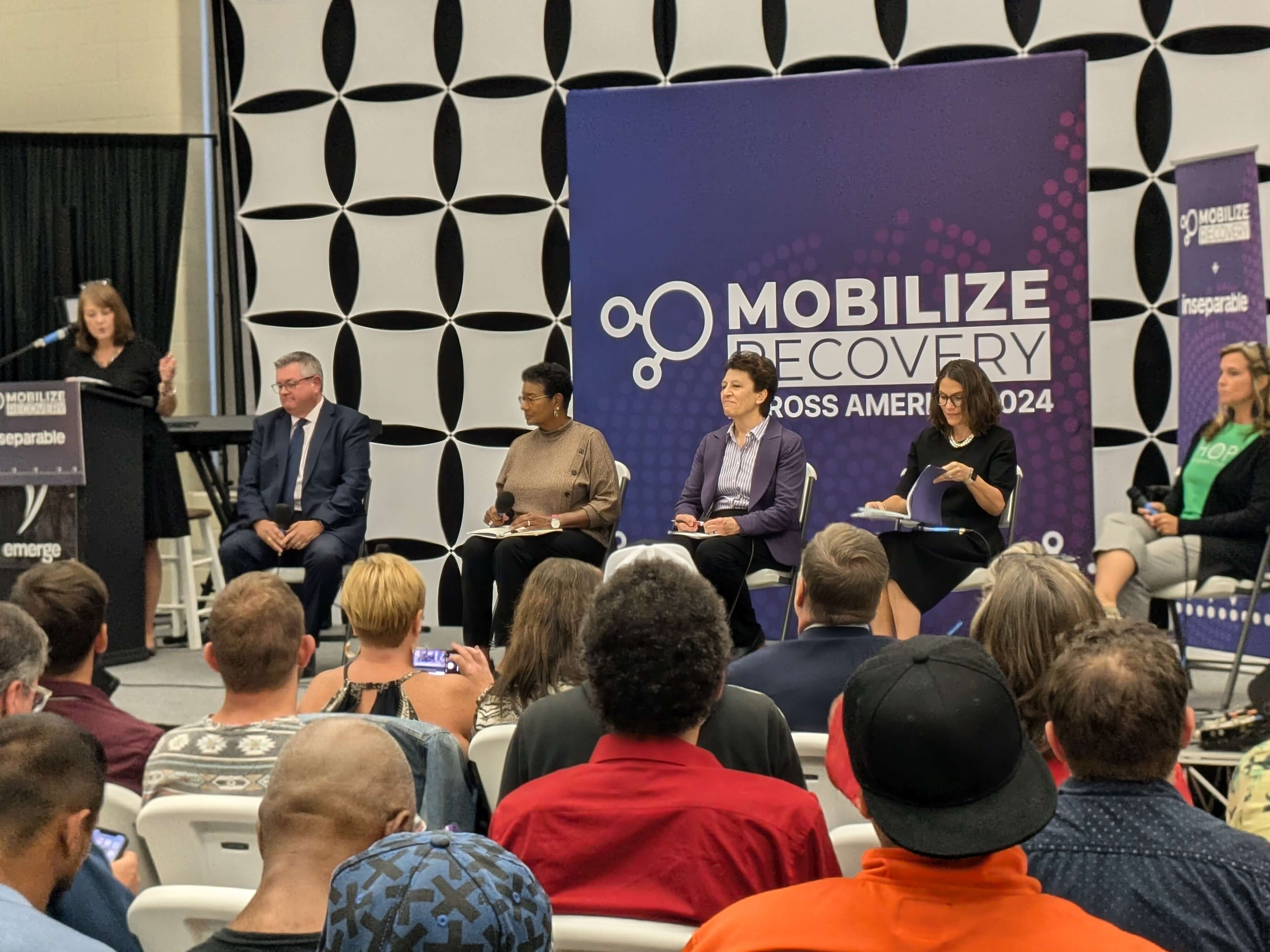
Our Town Hall was a spark. There was a quiet tension beforehand—some of us unsure how honest we could be, uncertain how our words would land. Would we be able to speak openly about the hard things? About the grief, the policies, the controversial questions that still divide rooms? But when lived experience stepped up to the mic, something shifted. The room leaned in. The voices of those who have been directly impacted by substance use, by loss, by systems—those voices got the loudest cheers. They cut through the fear and ignited something powerful. Eyes widened. Heads nodded. Hearts opened. You couldn’t help but pay attention. You couldn’t help but feel the connection. It was a beautiful, undeniable reminder that authenticity speaks volumes.
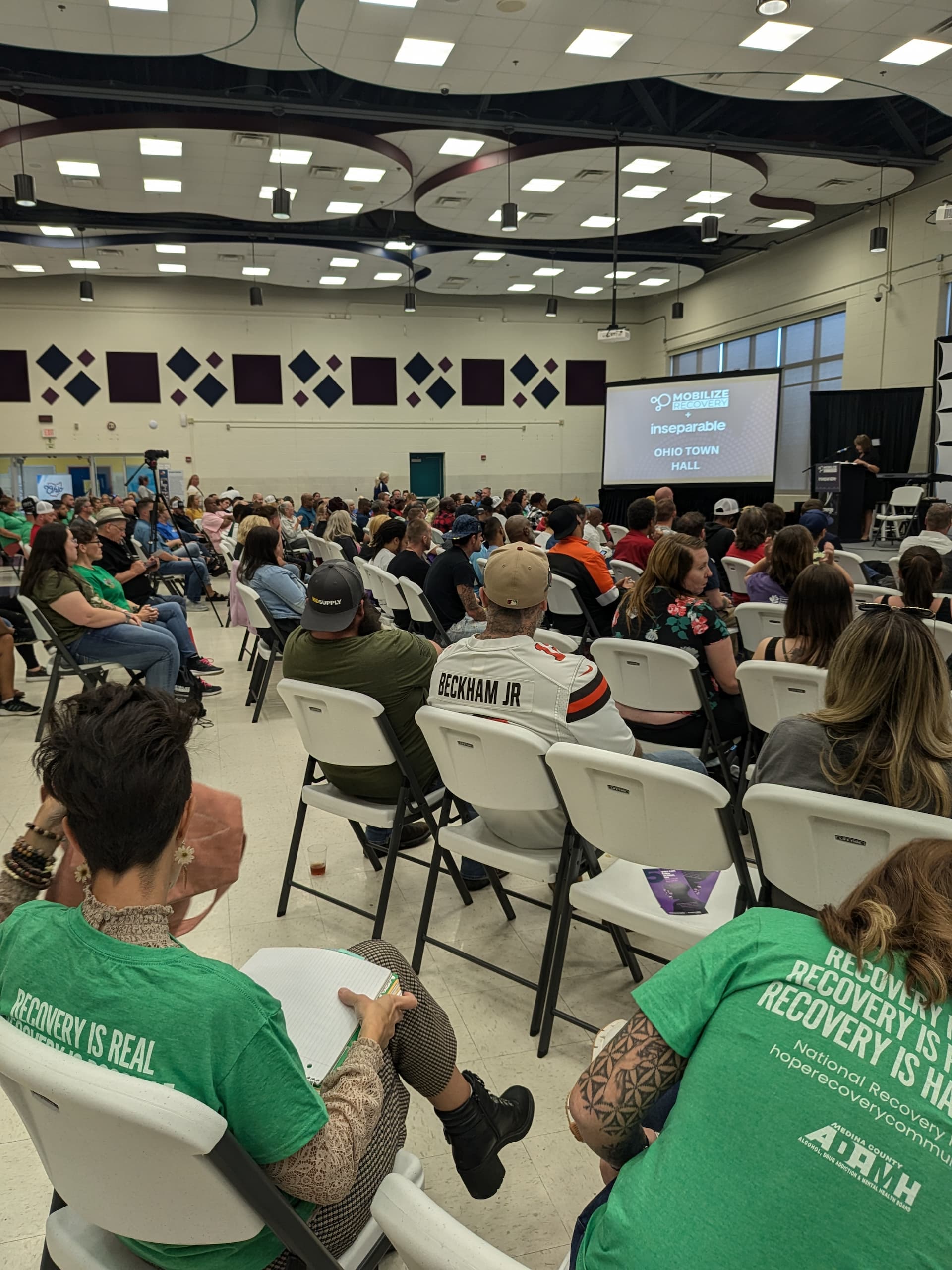
With the Mobilize team’s support, we built a lineup that spoke to grief, to hope, to possibility. We made room for youth voices. We honored those we’ve lost. We celebrated recovery in action. And most of all, we centered the people who live this every single day. Local leaders stood alongside community members and peer advocates. We didn’t just talk about change—we embodied it.
I wasn’t just invited to another table that checked a box—where my voice was small and hard to recognize. In Dayton, I felt the opposite. I felt seen. Heard. Valued. We reminded ourselves and each other that our voice is strongest when it’s joined with others. That’s the power of numbers. That’s the home court advantage.
One of the most unforgettable moments came when a young person bravely stood up and said, "For the first time, I feel like my voice actually matters." That’s the heartbeat of Mobilize. It’s not just a tour—it’s a movement. One that makes space, builds bridges, and believes in the power of people to lead.
Since that day in Dayton, we’ve expanded our programs, strengthened our partnerships, and deepened our resolve. The ripple effect is real. Mobilize gave us a platform, but it also gave us a jolt of momentum—a renewed sense of what’s possible when lived experience leads the way.
So if you’re ever wondering whether these moments matter—whether bus stops and gymnasiums and small-town Town Halls make a difference—come to Ohio. Stand in a room full of people in recovery, and you’ll understand. We’re not just participants in this movement—we’re its pulse. And wherever we gather, we bring the strength of home with us.