Dick Van Dyke: From Television Icon to Recovery Advocate
Part one of our series on the public figures who helped break the silence around addiction and recovery through Operation Understanding 1976
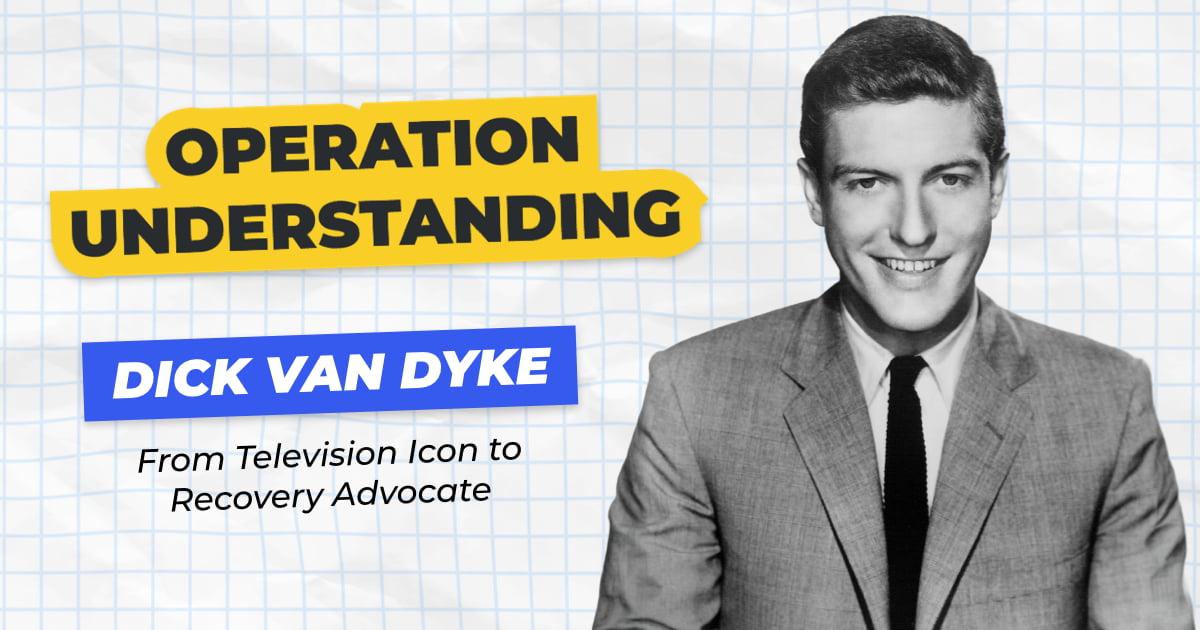
For generations of Americans, Dick Van Dyke has been a symbol of joy, humor, and optimism.
Best known for starring in The Dick Van Dyke Show, Mary Poppins, Chitty Chitty Bang Bang, and later Diagnosis: Murder, Van Dyke built one of the most beloved careers in entertainment history. His work as an actor, comedian, singer, and dancer made him one of the defining performers of the twentieth century.
But behind the laughter and success, Van Dyke struggled privately with alcoholism for many years.
He has spoken openly about how drinking became a way to cope with shyness and social anxiety. In later interviews, Van Dyke explained that alcohol made him feel more comfortable around people and lowered his inhibitions. Over time, however, that habit developed into a serious addiction.
Van Dyke eventually sought treatment in 1972, entering the hospital for several weeks to address his alcoholism. He later reflected that alcohol had affected much of his adult life and family relationships, but that getting sober changed everything. He has now remained sober for more than 50 years.
Two years before Operation Understanding, Van Dyke was already helping challenge the stigma around addiction. In a November 1974 appearance on The Dick Cavett Show, he spoke candidly about his alcoholism and described it as a disease rather than a moral failing. At a time when very few celebrities were willing to discuss addiction publicly, Van Dyke’s honesty was groundbreaking. He explained that alcoholism was “a true addiction” and emphasized that it should be treated as a health issue, not a character flaw.
That same year, Van Dyke also starred in the television film The Morning After, playing a man whose alcoholism destroys his family and career. The role was a dramatic departure from his usual comedic image and reflected the seriousness with which he approached the issue in his own life.
By the time Operation Understanding took place in 1976, Van Dyke was one of the most recognizable people in America. His participation in the event helped give enormous visibility and credibility to its message. At a time when addiction was still heavily stigmatized, very few public figures were willing to speak openly about alcoholism.
Van Dyke joined dozens of other public figures, athletes, actors, and professionals in publicly sharing that they were in recovery. The event sent a clear message: addiction can affect anyone, and recovery is possible.
Now over 100 years old, Van Dyke has continued to be open about his recovery throughout his life. In interviews, memoirs, and public appearances over the decades, he has remained candid about his struggles with alcohol, the importance of treatment, and the reality that recovery is an ongoing process. He has also shared that hearing from people who were encouraged to seek help because of his honesty has been one of the most meaningful parts of telling his story.
Dick Van Dyke’s legacy is not only the laughter and joy he brought to millions through television and film. It is also the example he set by speaking openly about addiction, long before doing so was common or accepted.
His story remains a powerful reminder that recovery is possible at any stage of life — and that sharing our stories can help others find hope.
Read More:
- Dick Van Dyke opens up about his alcoholism battle: ‘I have to be careful’, New York Post, June 27, 2024
- Dick Van Dyke opens up about battle with alcoholism, former colleagues: ‘There’s no one left’, New York Post, December 18, 2023
- Dick Van Dyke Opens Up About Battle With Alcoholism: 'It Took Me a Long Time to Get Over It', ABC News, January 21, 2016