1976: The Year that Changed Recovery Advocacy Forever
Fifty years ago, two events took place that would quietly reshape how America understood — and talked about — addiction and recovery. This month, we sat down with filmmaker Greg Williams (The Anonymous People) and Jeremiah Gardner of the Hazelden Betty Ford Foundation to mark that anniversary and explore why 1976 still matters.
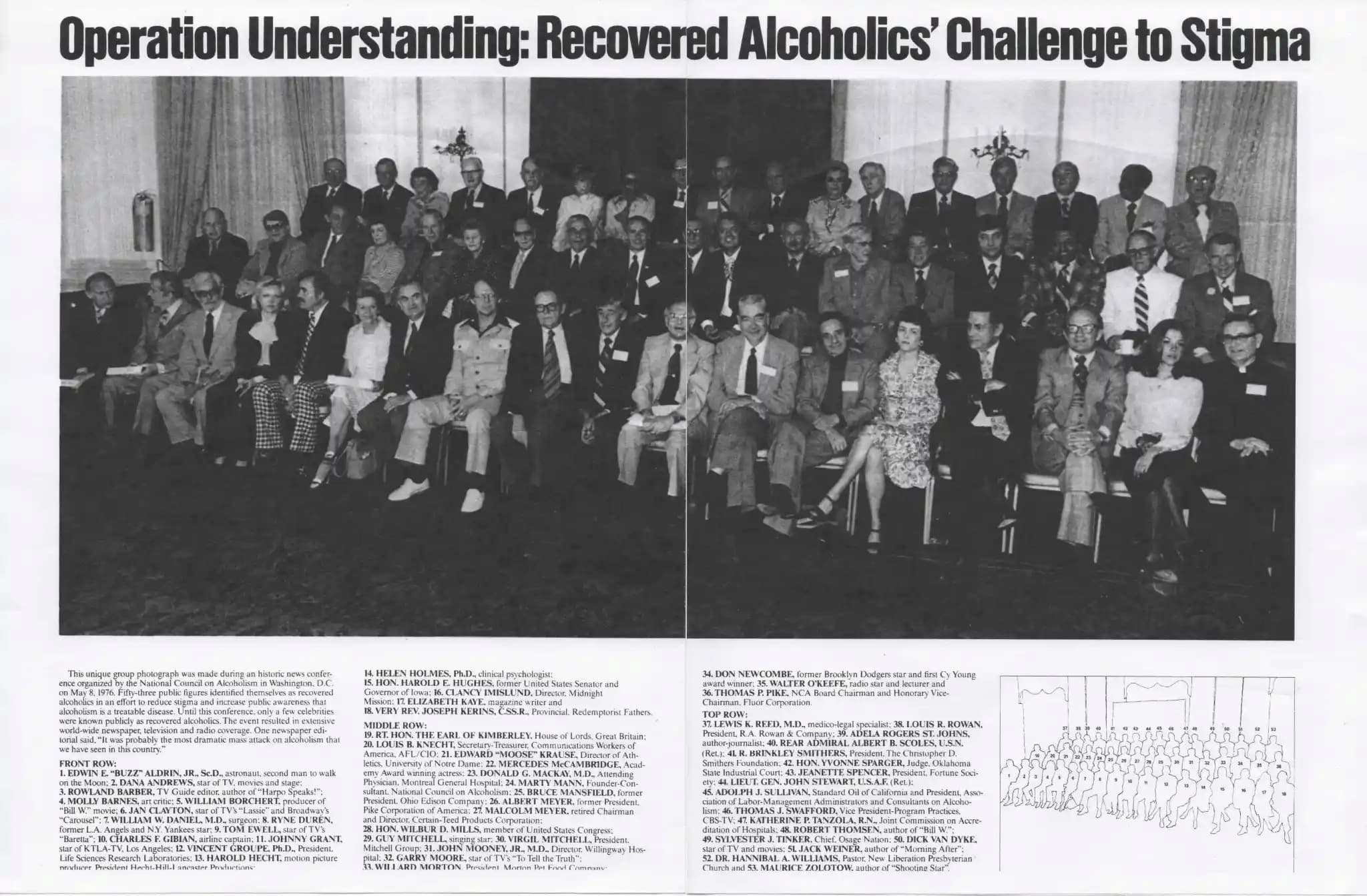
Operation Understanding: Going Public
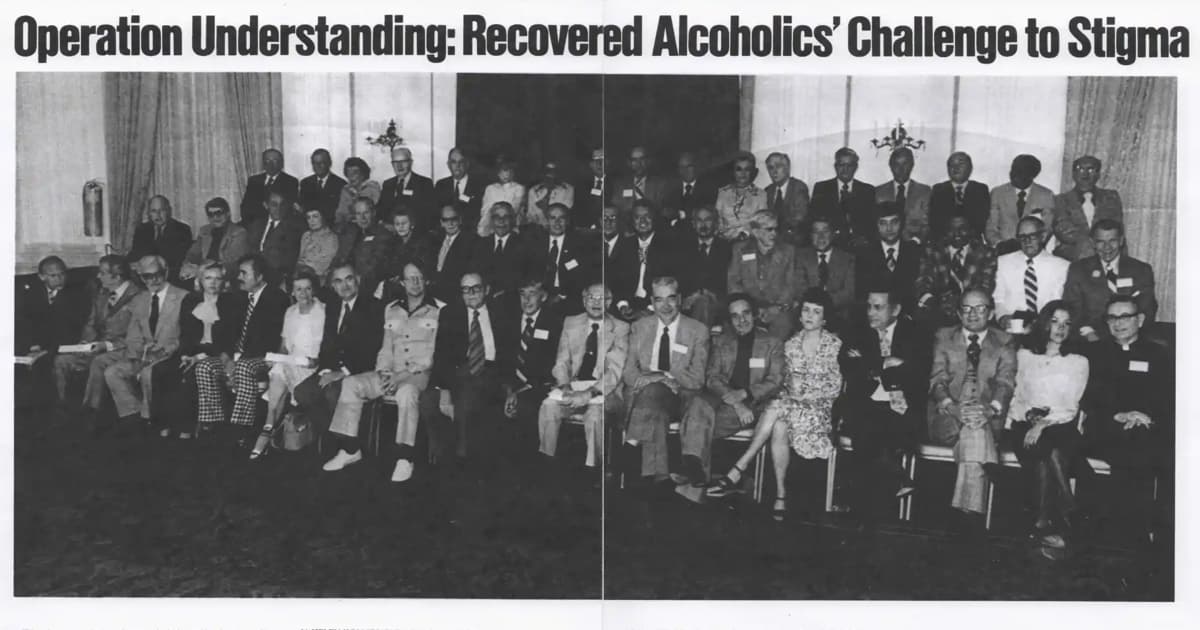
In May 1976, recovery advocacy pioneer Marty Mann — the first woman to achieve long-term recovery in Alcoholics Anonymous and the founder of what would become the National Council on Alcoholism and Drug Dependence — helped convene a Washington, D.C. press conference unlike anything seen before. Fifty prominent Americans, including astronaut Buzz Aldrin, actor Dick Van Dyke, and Senator Harold Hughes, stood up publicly and shared their personal stories of addiction and recovery.
The collective impact was immediate. The story made front pages across the country. Williams, who has spent years documenting recovery history, notes that hundreds of people he has met over the years got sober in 1976 — and he finds it hard to believe that's a coincidence.
FreedomFest: Recovery Goes Grassroots
Just one month later, in June 1976, a very different kind of event unfolded in Bloomington, Minnesota. FreedomFest drew nearly 30,000 people to Metropolitan Stadium for a day-long celebration of recovery — complete with live music, group reunions, a variety show, and a main evening program. Tickets cost $3.50. The entire event cost $138,000.
Where Operation Understanding was a top-down, media-driven effort featuring celebrities, FreedomFest was grassroots and people-powered. Its message: addiction is common, recovery is common, and both are worth celebrating openly and without shame. Dr. Marvin Seppala, who attended as a young man newly in recovery, later recalled that seeing thousands of people openly celebrate sobriety made it feel like "a lifestyle worth celebrating" — not a deficit.
Why It Still Resonates
Together, these two events form a kind of blueprint for recovery advocacy that continues today.
As Gardner puts it, learning this history is a reminder that we are part of a rich cultural heritage. The movement that started in 1976 is still unfolding — and, as Williams says, it's always our turn to keep it going.
Watch the full webinar above to hear Greg Williams and Jeremiah Gardner tell the story in their own words.