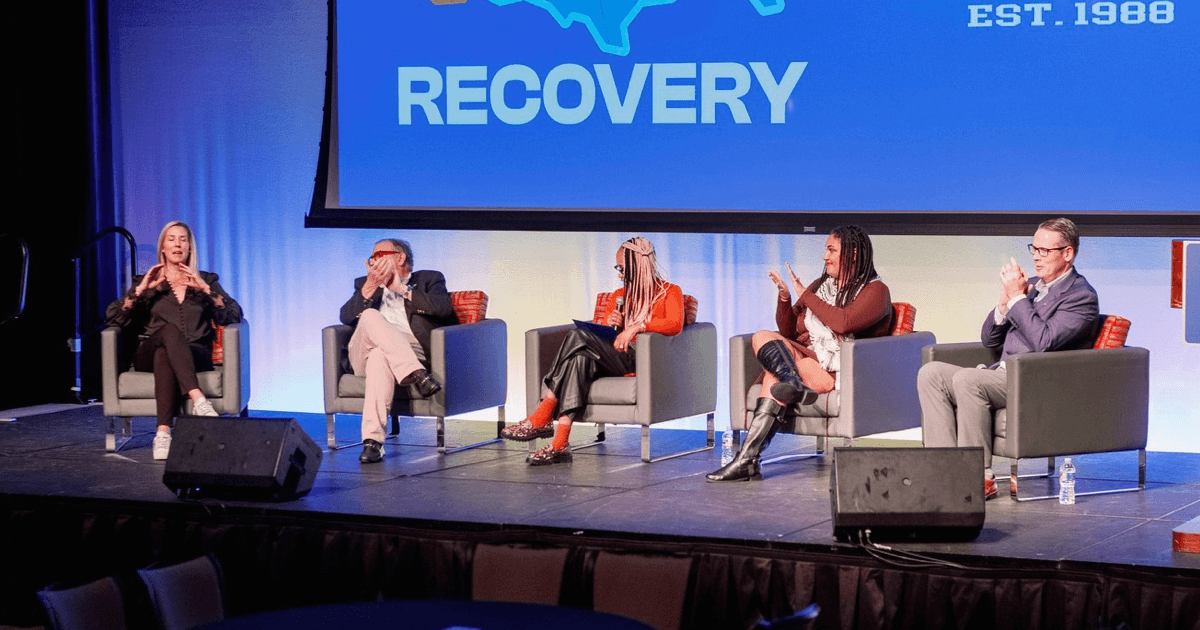
Recovery Doesn’t Pause for Midterms: Why Campuses Must Do More for Students in Recovery
While college promises opportunity and growth, students in recovery often face a very different reality: one where support is scarce and risk is high.

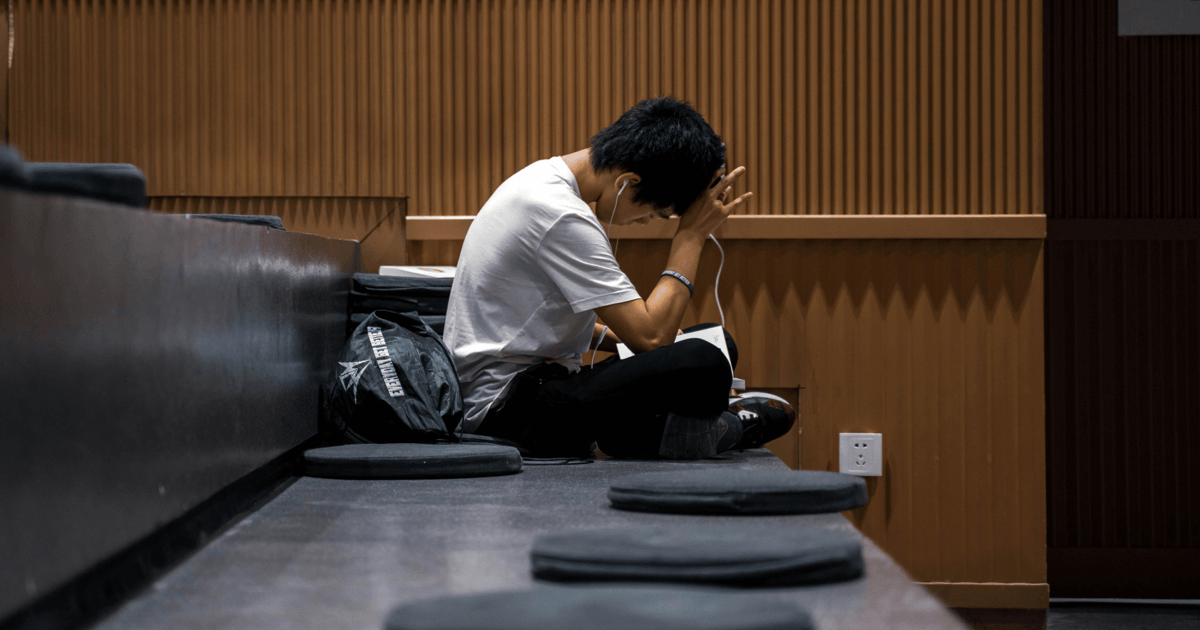
College is often thought of as a place of growth, exploration, and transformation. But for students in recovery from substance use disorders (SUDs), it can also be a place of profound vulnerability. While their peers may view parties and experimentation as rites of passage, students in recovery are navigating campuses where substance use is often normalized—and where support for their recovery journey remains the exception, not the rule.
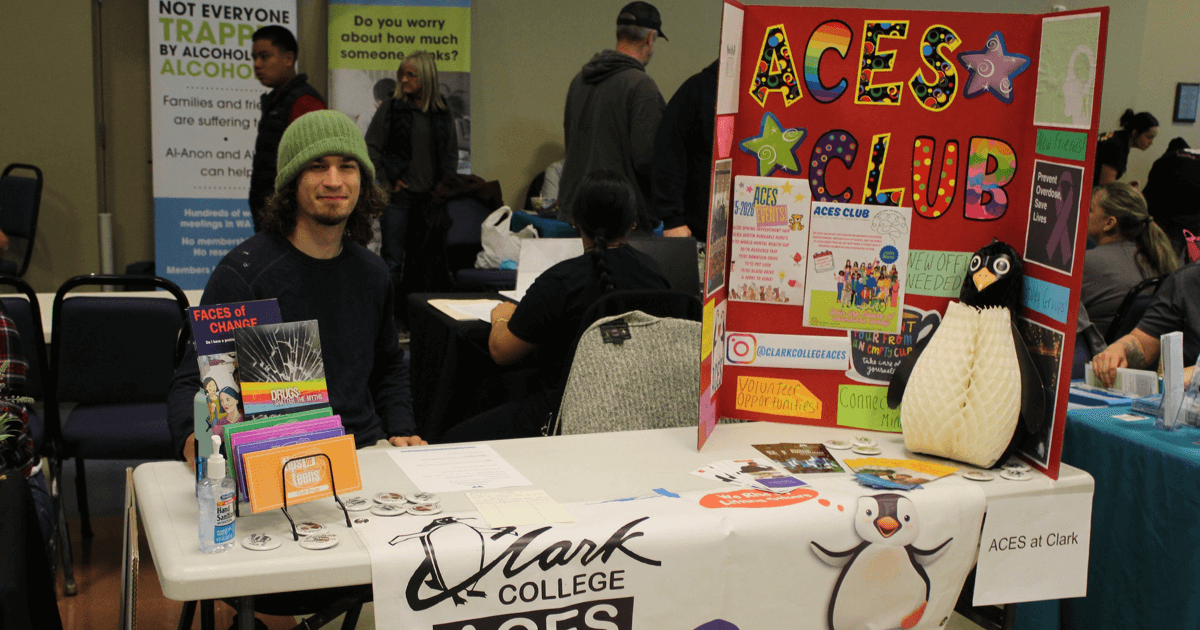
Collegiate Recovery Programs (CRPs) offer a powerful counter-narrative. These programs provide safe spaces, structured support, and peer communities where students in recovery can thrive socially, academically, and personally. CRPs aren’t about isolation or restriction—they’re about inclusion, connection, and the radical idea that recovery should never be a barrier to higher education.
Yet despite their proven benefits, CRPs remain unevenly distributed and chronically underfunded.
In a recent study I co-authored, published in the Journal of Studies on Alcohol and Drugs, we surveyed 70 CRP leaders across the U.S. and Canada. The results were striking. Programs with multiple sources of funding—such as institutional backing, grants, and donor support—were not only more sustainable but also more expansive in the services they provided. They reached more students, offered dedicated recovery spaces, and embraced diverse recovery pathways, including harm reduction and mutual-aid models.
The message is clear: when CRPs are well-resourced, students are better supported.
But the reality on the ground tells a different story. More than half of the programs we surveyed rely solely on support from their home institutions—funding that can be tenuous, reactive, or subject to shifting administrative priorities. Federal and state support is rare, even though research suggests that CRPs reduce dropout rates, improve mental health outcomes, and enhance student retention.
It’s a paradox that deserves attention: programs that are cost-effective and transformative remain on the financial margins of higher education.
Yet even in states that have led the way on recovery support, progress is proving fragile. For example, North Carolina, one of the few states that has historically allocated state-level funding to collegiate recovery, has recently seen that stream of support jeopardized. Budget decisions this year included millions in cuts to the North Carolina Department of Health and Human Services, threatening funding for CRPs at institutions across the state—from the University of North Carolina Wilmington to campuses throughout the Triad region. These losses are already being felt, forcing some programs to scale back staffing and services just as student need continues to rise.
This gap in support doesn’t just affect students, it affects entire campus ecosystems. Students in recovery often become leaders in peer support, community education, and campus health initiatives. Their presence challenges stigma and expands the conversation around wellness. In that sense, recovery support isn’t just a student service, it’s a catalyst for cultural change.
The growing mental health and substance use crises among young people demand a serious conversation about what inclusive support looks like in higher education. That conversation must include recovery.
Some states are beginning to take legislative steps to address this. Massachusetts Senate Bill S.951, for example, would require public colleges to offer recovery-focused housing, and campus-wide overdose prevention measures. But most campuses—and most states—still lag behind. There’s no standardized approach, no consistent funding mechanism, and often, no roadmap for how to build recovery-inclusive environments.
It’s time to ask some hard questions:
- What does real inclusion look like for students in recovery?
- Who is responsible for making it happen?
- How can we ensure that every student, regardless of their history with substance use, has an equal shot at success?
The answers won’t be the same everywhere. But the urgency is shared.
For students in recovery, the college experience should be one of opportunity, not risk. The support structures they need already exist—we just have to commit to sustaining and expanding them.
Interested in getting involved with recovery on campus?
Check out Mobilize Recovery’s Campus Surge 2025, happening on campuses from coast to coast this fall!